
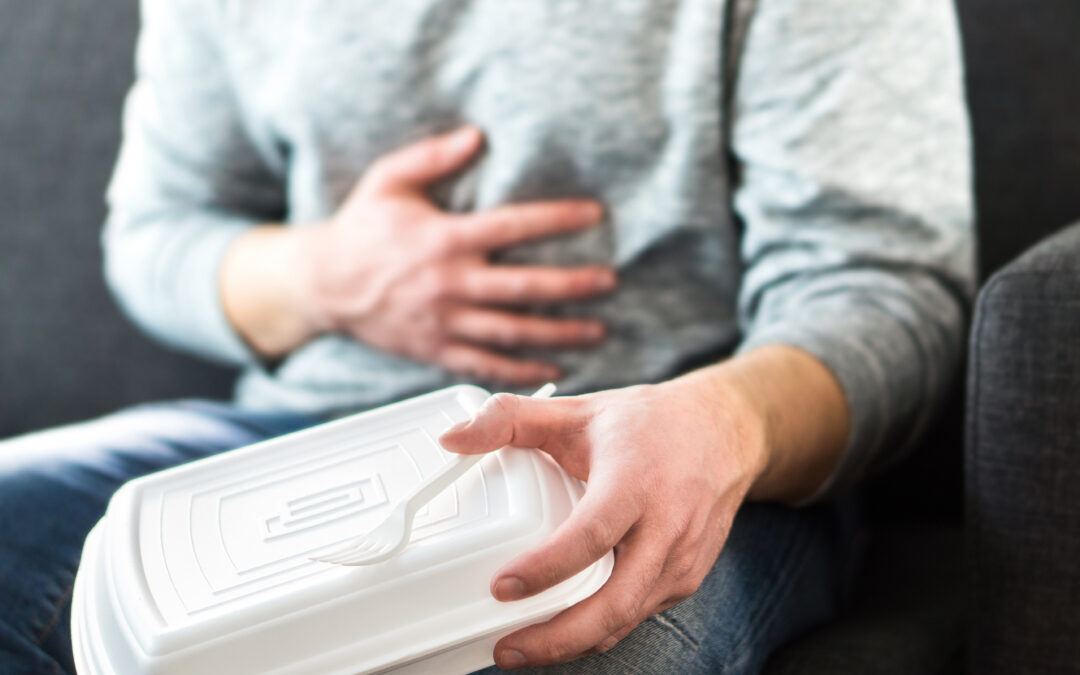
Between family dinners, holiday gatherings and trying new restaurants around Knoxville, sharing good food is one of the best parts of the season. But when food isn’t handled, prepared or stored properly, an enjoyable meal can quickly turn into an unpleasant experience.
Food poisoning, also known as foodborne illness, happens when you consume food or drinks contaminated with harmful bacteria, viruses or other germs. Symptoms can range from mild stomach discomfort to severe vomiting, diarrhea and dehydration. Knowing what causes food poisoning, how to prevent it and when to seek medical attention from AFC Knoxville can help you protect yourself and your family.
What Causes Food Poisoning?
Food poisoning occurs when harmful microorganisms or toxins enter the body through contaminated food or beverages. Contamination can happen at almost any point, from food production and transportation to preparation and storage. Some of the most common causes include:
- Bacteria: Salmonella, E. coli, Campylobacter and Listeria are common bacteria associated with foodborne illness.
- Viruses: Norovirus is a leading cause of foodborne illness and can spread through contaminated food, surfaces or close contact with an infected person.
- Improper food storage: Leaving perishable foods at room temperature for too long can allow harmful bacteria to multiply.
- Cross-contamination: Using the same cutting boards, utensils or surfaces for raw meat and ready-to-eat foods can spread germs.
- Undercooked foods: Meat, poultry, seafood and eggs that aren’t cooked to safe temperatures may contain harmful microorganisms.
Food poisoning can affect anyone, but young children, older adults, pregnant people and individuals with weakened immune systems may be more likely to experience serious complications.
What Are the Most Common Symptoms of Food Poisoning?
Food poisoning doesn’t always cause symptoms immediately. Depending on the germ responsible, symptoms may begin within hours or take several days to develop. Some of the most common signs include:
- Nausea
- Vomiting
- Diarrhea
- Stomach cramps or abdominal pain
- Fever
- Headache
- General weakness or fatigue
Most mild cases improve on their own with rest and proper hydration. However, symptoms can sometimes become more severe, especially when vomiting or diarrhea makes it difficult to replace lost fluids.
How Can You Prevent Food Poisoning at Home?
The good news is that many cases of food poisoning can be prevented with a few everyday food safety habits. Whether you’re preparing dinner at home, packing lunches or hosting a holiday gathering, proper food handling makes a difference. Here are a few ways to reduce your risk:
- Wash your hands and surfaces.
Always wash your hands with soap and water before preparing food, after handling raw meat and after using the restroom. Clean countertops, cutting boards and utensils regularly.
- Keep raw foods separate.
Use separate cutting boards and utensils for raw meat, poultry and seafood. Keep these items away from foods that are already cooked or ready to eat.
- Cook foods thoroughly.
Use a food thermometer to make sure meat, poultry, seafood and eggs reach safe internal temperatures. Color alone isn’t a reliable way to determine whether food is fully cooked.
- Refrigerate leftovers promptly.
Perishable foods should be refrigerated within two hours of preparation or serving, or within one hour if temperatures are above 90°F. Divide large portions into smaller containers so they cool more quickly.
- Pay attention to expiration dates and food recalls.
Check food labels, discard spoiled items and stay informed about recalls involving products you may have purchased.
- Be careful when eating out.
Choose restaurants that maintain good food safety practices. Avoid foods that appear undercooked or have been sitting out at unsafe temperatures.
When Should You Seek Medical Care for Food Poisoning?
While many people recover from food poisoning without medical treatment, certain symptoms can indicate a more serious infection or dehydration. Consider visiting AFC Knoxville if you experience:
- Frequent vomiting that makes it difficult to keep fluids down
- Diarrhea that lasts longer than expected
- A persistent fever
- Ongoing abdominal pain or cramping
- Signs of mild dehydration, such as dark urine, dry mouth or dizziness
- Symptoms that aren’t improving or seem to be getting worse
It’s especially important for young children, older adults, pregnant people and individuals with weakened immune systems to seek medical guidance sooner rather than waiting for symptoms to become severe.
Seek emergency medical care for severe dehydration, bloody diarrhea, severe abdominal pain, confusion, fainting or other serious symptoms.
How Can You Stay Hydrated While Recovering?
One of the biggest concerns with food poisoning is dehydration. Vomiting and diarrhea cause the body to lose fluids and electrolytes, which can leave you feeling weak, dizzy and exhausted. If you’re experiencing mild symptoms, try these steps:
- Take small, frequent sips of water.
- Consider an oral rehydration solution to replace lost fluids and electrolytes.
- Avoid alcohol and limit drinks that may worsen stomach symptoms.
- Start with small portions of bland foods when you feel ready to eat.
- Get plenty of rest while your body recovers.
If you can’t keep fluids down or notice signs of significant dehydration, don’t try to manage everything at home. Medical evaluation is important.
How Can AFC Knoxville Help With Food Poisoning Symptoms?
Dealing with nausea, stomach cramps or persistent diarrhea can make even the simplest daily activities difficult. If you’re concerned about food poisoning, AFC Knoxville can provide convenient evaluation to help determine what’s causing your symptoms. Our AFC providers can assess your condition, check for signs of dehydration and recommend appropriate next steps based on your symptoms. Depending on your situation, additional testing or treatment may be recommended. While not every case of food poisoning requires medical intervention, knowing when to seek care can help prevent complications and support a smoother recovery.
Enjoy Your Meals Without the Worry
Food should bring people together, not leave everyone feeling miserable afterward. By practicing proper food handling, cooking foods thoroughly and refrigerating leftovers promptly, you can reduce your family’s risk of foodborne illness. If you do develop persistent or concerning symptoms, AFC Knoxville is here to help. Visit us for convenient care and guidance when stomach troubles interrupt your day.